
Selling Sports Cards
How to Sell Football Cards
Sort, identify, price, protect, and choose the right selling path for your football cards.
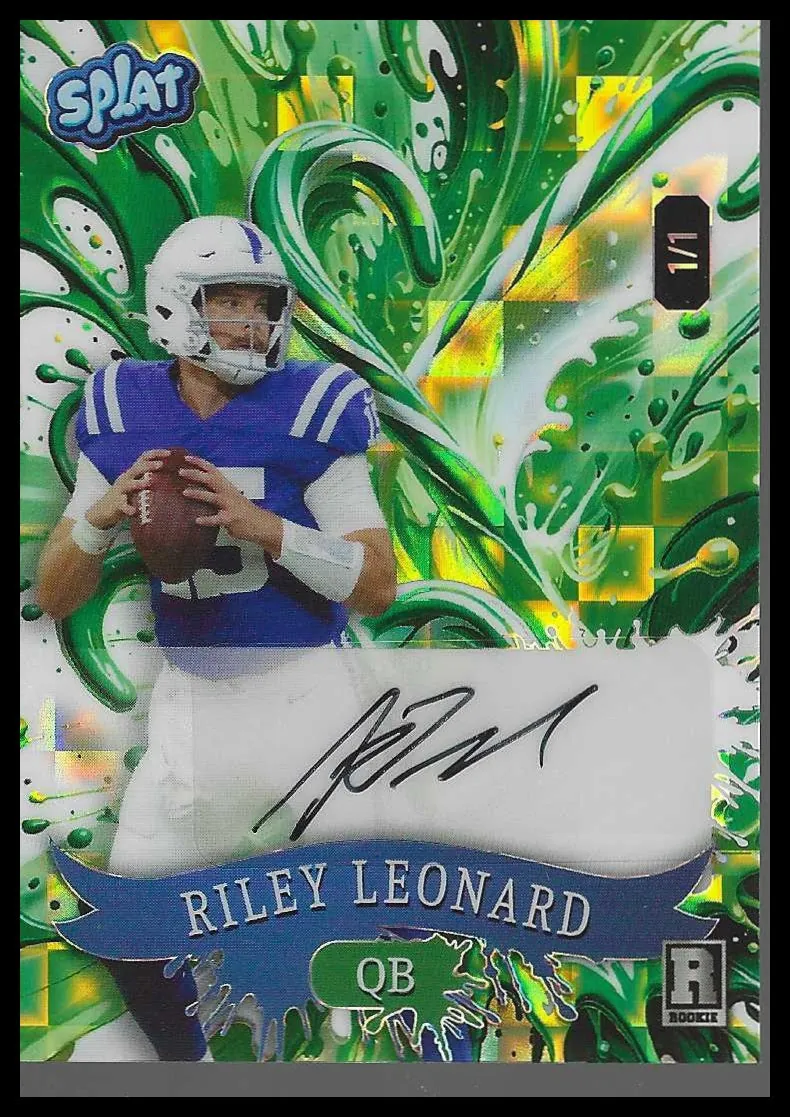
Selling football cards goes better when you separate the cards that deserve individual attention from the ones that make more sense together. You do not need to know every set by heart, but you do need a repeatable way to identify a card, check a realistic value, protect it, and choose a selling route that fits your time and goals.
Start with the card in front of you, not an old price guide or an ambitious asking price. Football-card values move with player demand, condition, scarcity, and the exact version of the card. A clear process keeps you from overlooking a better card, wasting time listing common cards one by one, or accidentally damaging something worth researching.
1. Sort the Collection Before You Price Anything
Make four simple groups: cards that already look like key players or special issues, graded cards, complete sets or clearly organized runs, and everything else. This is not a final value judgment. It is a way to spend your research time where it can matter most.
Set aside cards that are rookies, autographs, serial-numbered parallels, vintage issues, star players, unusual inserts, or cards in unusually clean condition. Keep slabs together so their labels and certification details stay with the right card. For the rest, sort by sport, team, year, or brand. A mixed box becomes much easier to assess once it has a little structure.

2. Identify the Exact Card
The player name is only the beginning. Record the year, manufacturer, set, card number, player, rookie notation, parallel, serial number, autograph, and visible condition. Two cards with the same player can have completely different demand because one is a common base issue and another is a numbered parallel or a true rookie card.
Use the information printed on the front and back before searching. An exact search such as “2024 Panini Prizm player name card number purple” is far more useful than searching only the player. If you are unsure whether a difference is a real variation, find a reliable checklist before assigning it extra value. A print flaw is not automatically a rare error.
For graded cards, read the label all the way through. The grading company, year, set, card number, variation, and grade all matter. PSA’s certification lookup guidance is a helpful additional check when it is available, but clear photos and accurate card details still matter.
3. Use Recent Sold Prices, Not Active Listings
Once you have the full identity, compare recent completed sales for cards that truly match yours. An active listing is a seller’s hope. A completed sale shows what a buyer actually paid. Look at several examples when possible, and separate raw-card sales from graded-card sales.
eBay’s price guide uses completed transaction data and can show sales history across grades. Match the year, set, card number, parallel, condition, and grading company as closely as possible. A PSA 10 is not a useful direct comparison for a raw card with soft corners, and a numbered parallel is not a match for a base card.
Write down a range rather than treating one unusual sale as the answer. A card may sell higher because it was exceptionally clean, came from a trusted seller, or landed during a moment of player hype. A range based on several close matches gives you a more honest starting point.
Pay attention to dates as well as prices. A sale from months ago can be useful context, but it may not reflect a player’s current situation or the supply now available. A few recent matches are usually more useful than one dramatic old result. If the sales are all over the place, that is information too. It may mean the card’s condition, grade, or variation needs a closer look before you settle on a price for your card.
A quick value check
- Confirm the exact year, set, player, card number, and variation.
- Inspect front and back condition in bright light.
- Compare several recent completed sales for close matches.
- Keep raw, graded, and different parallels in separate comparisons.
- Use the lower end of a realistic range when deciding what to do next.
4. Decide What to Sell One at a Time
Individual listings are usually best for cards with a clear identity and enough demand to reward the work. That can include notable rookies, stars, numbered parallels, autographs, vintage cards, clean graded cards, and cards with reliable recent sales. Good photos, an accurate title, a condition description, packing, shipping, and buyer communication all take time, so it helps to reserve that effort for cards where it makes sense.
Common base cards, low-demand duplicates, and mixed bulk lots often work better together. Group them in a way a buyer can understand, such as one team, one year, one set, or a player lot. Be clear about the count and condition. A well-described team lot can be more useful than dozens of vague individual listings nobody can find.

5. Choose a Selling Route That Fits Your Goal
Selling yourself can give you more control over the presentation and price, but it also means taking on listing, packing, shipping, returns, and the time needed to wait for the right buyer. It is often a good fit for a smaller group of cards you know well.
A consignment service can be useful for cards where professional presentation and a larger buyer audience may be worth the fee. PSA explains its own consignment option as a route for graded cards, while its general selling guide covers the practical work of listing cards on eBay. Review the current terms for any service before you commit a card.
For a larger collection, a direct offer can save time and eliminate the job of listing every card. The tradeoff is straightforward: a buyer taking on sorting, inventory, selling costs, and risk needs room in the offer. That can be a sensible choice when your priority is a clear, efficient sale rather than maximizing the return on every single card.
6. Do Not Grade Just to Make a Card Sellable
Grading can help when authentication, protection, condition confidence, or collector demand makes it worthwhile. It is not an automatic value switch. Before submitting, compare raw sales with sales at two realistic grades and include the full cost of grading, shipping, insurance, and any selling fees.
If a card needs a perfect grade to make the numbers work, it is a risky submission. A card with visible surface flaws, soft corners, or off-centering may be better sold honestly as raw. Our guide to what sports cards are worth grading gives you a fuller value, condition, and demand check before you spend on a submission.
7. Protect the Cards While You Decide
Use a clean sleeve and an appropriately sized rigid holder for cards that deserve closer research. Avoid cleaning, trimming, recoloring, or otherwise altering a card. A well-intended attempt to improve the appearance can create a bigger problem than the original flaw.
Take clear front and back photos before a card changes hands. For higher-value cards, photograph corners, surfaces, and the grading label where relevant. Keep the cards out of direct sun, moisture, and loose piles. The sports card storage guide explains practical choices for sleeves, top loaders, binders, slabs, and stable storage.

Get a Clear Next Step for Your Collection
The best way to sell football cards is the route that matches the cards you have and the amount of work you want to take on. Identify the important pieces, check real sales, group the rest honestly, and protect everything while you decide. That approach is slower than guessing, but it is much faster than correcting a bad listing or overlooking a card that deserved a closer look.
Veteran Sports Cards FL is always buying sports cards, collections, and memorabilia. If you would rather start with a direct conversation, the sell-your-cards page explains what to send: clear photos, player names and years, grading details, and an asking price if you have one. You can also use the football card value guide when you want a deeper method for researching a card before you sell.
Frequently Asked Questions
How do I find out what my football cards are worth?
Identify the exact year, set, card number, player, variation, and condition first. Then compare several recent completed sales for true matches, keeping raw and graded cards separate.
Should I sell football cards individually or as a collection?
Sell meaningful cards individually when you can identify them and the expected return justifies the work. Group common cards by team, year, set, or player when individual listings would take more time than they are worth.
Should I grade a football card before selling it?
Grade only when the card has enough demand, condition, and likely graded value to justify the complete cost. A card that needs a top grade for the numbers to work is a risky submission.
What should I include when asking for an offer on my cards?
Include clear front and back photos, player names, years, any grading information, and an asking price if you have one. Those details make an offer conversation faster and more accurate.
Related Posts

Football Collecting
Are 1990 Football Cards Worth Money?
Learn what makes a 1990 football card worth a closer look, from exact set and variation to condition, demand, and recent sales.
Read guide
Football Collecting
How to Value Football Cards
Learn how to identify the exact card, compare recent sales, weigh condition, and set a realistic football card value.
Read guide
Football Collecting
How to Start Collecting Football Cards
Build a football card collection around the players, sets, and budget that make the hobby enjoyable.
Read guide
Football Collecting
Best Football Cards to Collect: Find Your Lane
Choose football cards by player, era, type, condition, and budget so every addition has a place in your collection.
Read guide
Card Grading
What Sports Cards Are Worth Grading?
Use a practical value, condition, and demand check before sending a sports card in for grading.
Read guide
Card Grading
How to Store Sports Cards: A Collector’s Guide
Protect raw cards, slabs, and collection favorites with the right holders, storage boxes, and home setup.
Read guide
Card Grading
What Is a Slab Card? A Collector’s Guide
Learn what a slab card is, what the label tells you, and how to buy graded cards with more confidence.
Read guide