
Card Grading
What Is a Slab Card? Definition, Grading Labels & Buying Tips
A simple guide to slab cards: what the grading label means, how holders protect cards, and what to check before you buy.
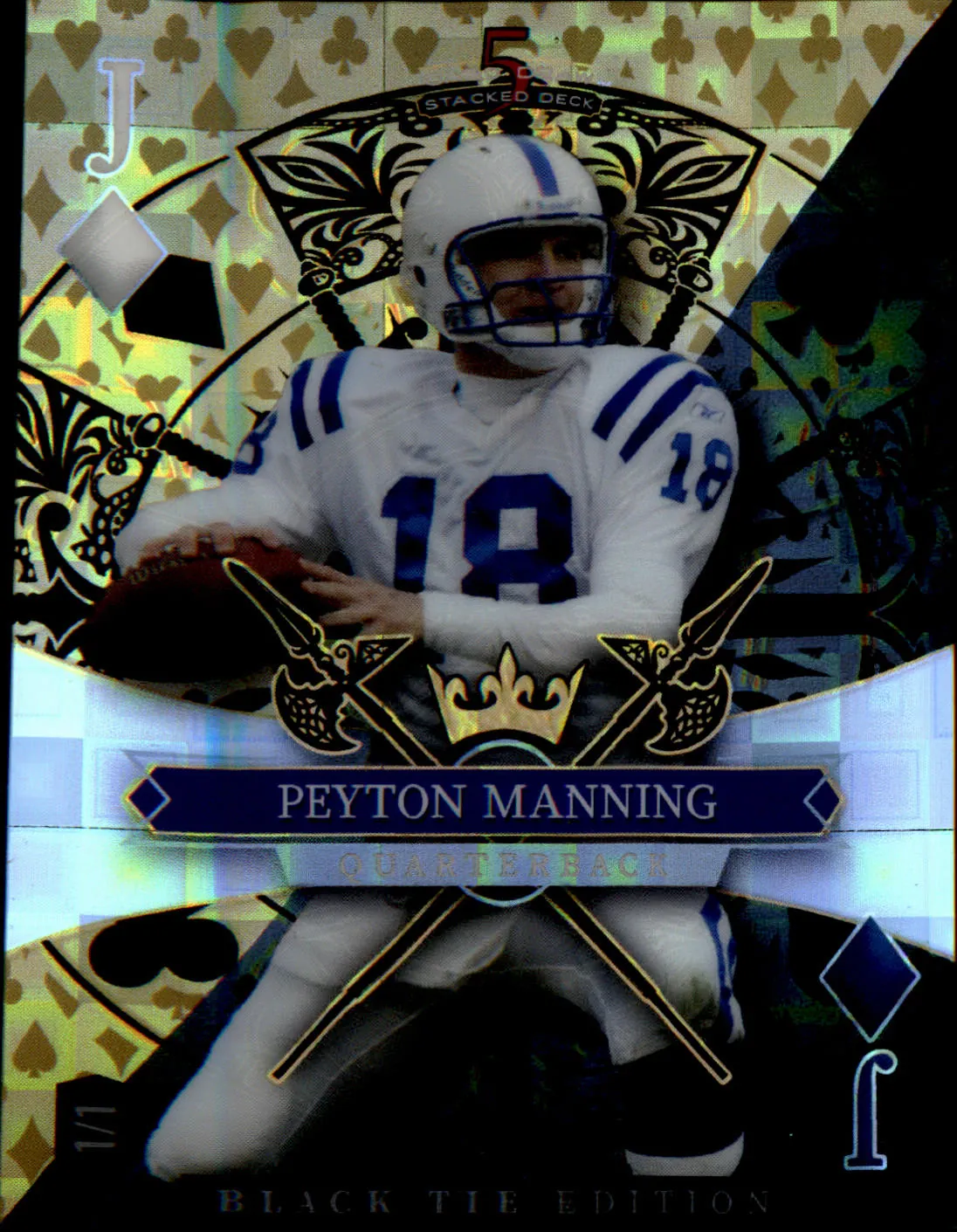
A slab card is a trading card sealed in a rigid holder after a third party has authenticated it, graded it, or both. In everyday collector language, “the slab” means the whole package: the card, the plastic holder, and the label at the top. That label gives buyers a quick way to identify the card and understand how the grader evaluated it.
Slabs are everywhere in the hobby, but they are easy to misunderstand. A holder does not turn every card into a premium card, and a number on a label is not the only detail that matters. The useful way to think about a slab is as a condition and identity reference. It can make a card easier to compare, protect, display, buy, and sell, as long as you still look closely at the card itself.
What Makes a Card a Slab?
A raw card has not been sealed by a grading company. It may be clean, authentic, and valuable, but the next buyer has to make their own call on condition and authenticity. A slabbed card has gone through a company’s process and has been placed in a tamper-evident holder. Depending on the service and result, the label may show a numeric grade, an authenticity designation, an autograph result, or a combination of those details.
Collectors use “slab,” “graded card,” and “encapsulated card” interchangeably most of the time. The terms are close, but the label matters. A card may receive a grade for its condition, an authentication result without a numeric grade, or separate results for the card and an autograph. Read the full label before assuming what was evaluated.
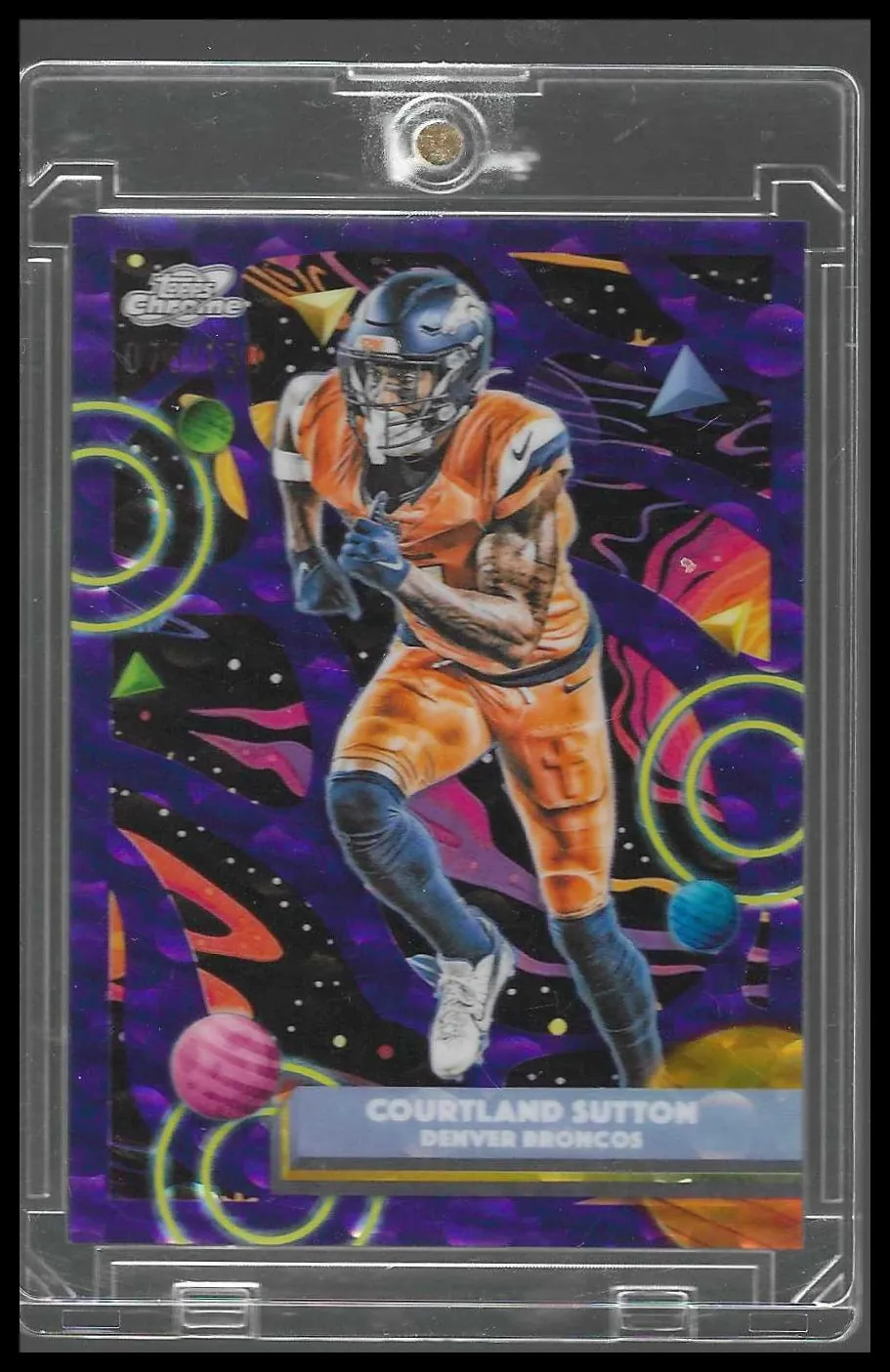
Read the Label Before You Read the Number
The label is the first thing to slow down and read. It should identify the year, brand, set, card number, player, and often the card’s variation or parallel. It also names the grading company and the result. That information should match the card you see through the holder and the card described in the listing.
A numeric grade is a condition opinion, not a universal price tag. Graders generally consider centering, corners, edges, surface, and eye appeal. For example, PSA describes a Gem Mint 10 as virtually perfect and lists sharp corners, strong gloss, and tight centering tolerances among the characteristics it considers. Its published grading standards are useful context, but they do not replace looking at the actual card.
Also look for qualifiers and designations. A label can note an autograph, a card that is authentic but ungraded, a special issue, or a qualifier that changes how collectors view the number. Two labels that both appear to say “8” may represent different cards, different services, or different market expectations. The details above and below that number are part of the item you are buying.
Why Collectors Buy Slabs
The most obvious benefit is protection. A properly sealed holder keeps a card from repeated surface contact, corner wear, and casual bending while you store, ship, or display it. That does not make the holder indestructible. A slab can still scratch, crack, or chip, so it needs a secure box or case just like any other collectible.
Slabs can also reduce uncertainty when a card changes hands. A buyer can compare the exact label, grade, certification number, and card image against recent sales. That common reference makes it easier to discuss condition without everyone using a different definition of “near mint.” It is especially useful for cards where authentication, expensive variations, or small condition differences can change the decision.
There is also a display benefit. Some collectors simply like the clean presentation of a favorite rookie, autograph, or vintage card in a uniform holder. That is a valid reason to buy or grade a card, even when the financial upside is modest. Collecting is not a spreadsheet contest.
What a Slab Does Not Tell You
A slab does not tell you whether a card is the right price today. The holder provides a condition and identification reference, but value still depends on the exact issue, grade, player, scarcity, and current collector demand. Compare recent completed sales for the same card in the same grading company and grade. Avoid treating an optimistic asking price as a market value.
It also does not mean a card is automatically rare. A common card can receive a high grade, and a scarce card can receive a low grade. Both can be worth owning, but for different reasons. Start with the card’s year, set, player, card number, variation, and demand, then use the slab information to refine your decision.
Finally, a slab does not remove all counterfeit risk. Certification lookup tools are helpful, but a copied number can appear on a fake label or holder. PSA states that its certification database confirms information tied to a number but does not eliminate risk from counterfeit inserts using genuine numbers. Use the certification lookup as one check, then buy from a source that provides clear photos and stands behind what it sells.
How to Inspect a Slab Card Before Buying
Start with the front and back photos. Make sure you can see the whole holder, including the label and all four corners of the card. A strong listing gives you enough information to identify the exact card without guessing. If a photo is blurry, cropped around the label, or hides a corner, pause before you buy.
Quick slab check
- Match the label details to the card: year, brand, player, card number, and variation.
- Read the full grading or authentication result, including qualifiers and autograph details.
- Look closely at centering, corners, surface, and eye appeal through the holder.
- Check the holder for cracks, deep scratches, loose labels, or obvious tampering.
- Compare recent sales for the same card, grading company, and grade.
Eye appeal still matters. Two cards with the same number can look different because of centering, print quality, color, or surface presentation. A grader’s standard gives you a useful baseline, but your own preference matters when you are choosing a card for a personal collection. Look for the copy you would be happy to own, not just the lowest-priced label.
Raw Card or Slab: Choose for the Job
Raw cards make sense for set building, binder collecting, lower-priced cards, and buyers who enjoy evaluating condition for themselves. They can also be the better value when a slab does not add much demand or protection. A well-described raw card with clear front and back photos can be a great purchase.
Slabs make more sense when authentication is important, when condition has a meaningful effect on value, when you want a more protected display piece, or when you prefer a clear third-party reference before you buy. The answer changes card by card. A vintage Hall of Famer with honest wear may benefit from authentication and protection, while a modern common card may be more enjoyable raw.
Before sending anything in yourself, use the store’s guide to what sports cards are worth grading. It walks through realistic grade expectations, costs, and demand, which are more useful than assuming every clean card belongs in a slab.
Store Slabs So the Holder Stays Clean
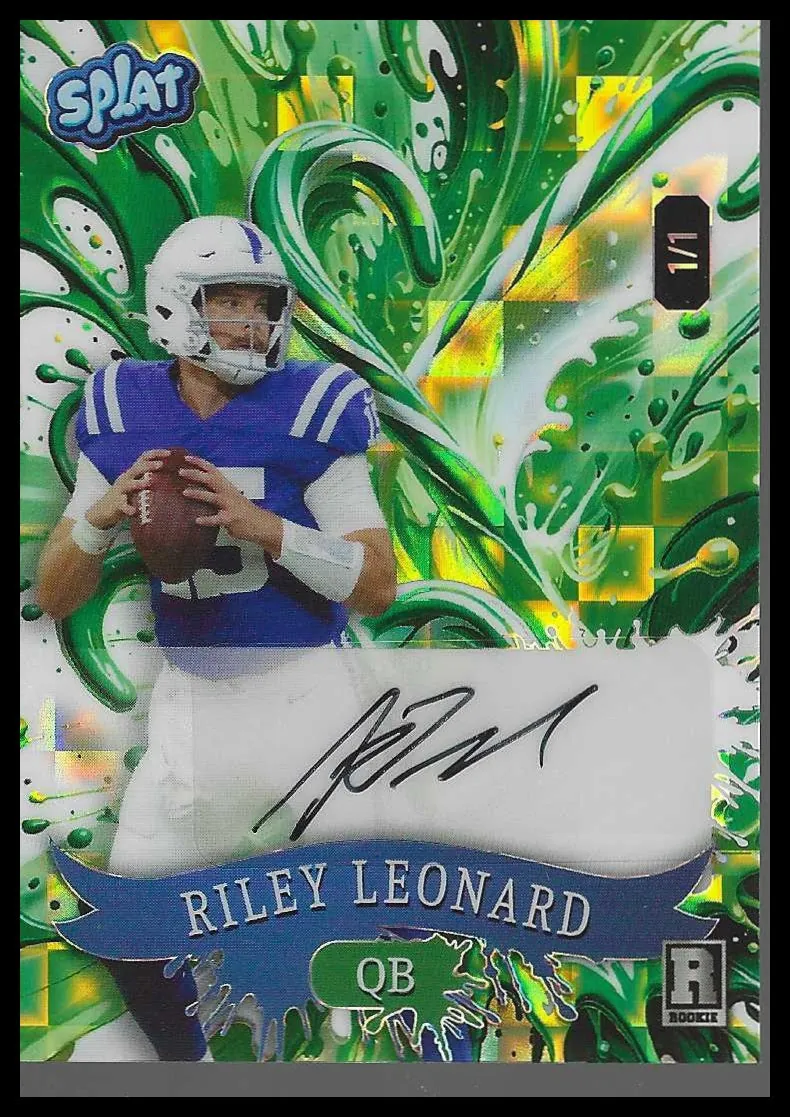
Once you own slabs, treat the holder as part of the collectible. Keep slabs upright in a fitted storage box, case, or display rather than loose in a drawer. Do not stack them where weight and movement can scrape the front or stress the corners. Keep them away from direct sunlight, moisture, major temperature swings, and places where they can fall.
For cards you are holding, selling, or considering for grading, the store’s sports card storage guide covers holders, boxes, safe home conditions, and a simple way to organize a mixed collection. Good storage protects the card, preserves the presentation, and makes it easier to find the right card without unnecessary handling.
Find a Slab You Will Enjoy Owning
A good slab purchase starts with the exact card you want, then adds the grade and holder that fit your goals. Decide whether you are buying for a player collection, a set, an autograph, a vintage card, a display piece, or resale confidence. That keeps the grade in its proper place: important, but never the whole story.
Veteran Sports Cards FL lists clear card details and photos so collectors can look beyond a label and buy with a better sense of what is in front of them. Browse the current graded sports cards or explore the full sports card inventory. If you are sorting a collection and want to move cards along, the sell-your-cards page explains how to start the conversation.
Frequently Asked Questions
What is a slab card?
A slab card is a card that has been authenticated or graded by a third party and sealed inside a rigid, tamper-evident holder. Collectors use the term for the entire item, including the card, holder, and label.
Does a slab guarantee a card is authentic?
A slab adds an important layer of confidence, but buyers should still inspect the label, compare the card details to the listing, and verify the certification number when the grading company provides that service. A real certification number alone does not prove that every holder using it is genuine.
Are slab cards always worth more than raw cards?
No. Value depends on the exact card, the grade, the grading company, condition, scarcity, and collector demand. A common card in a low grade may not sell for much more than a well-described raw copy, while a desirable card with a strong grade can command a meaningful premium.
Can you remove a card from a slab?
Yes, but opening a slab permanently destroys the sealed holder and the label is no longer attached to the card. Treat that as a permanent decision and only consider it when you understand why you want the card raw.
Related Posts
Card Grading
What Sports Cards Are Worth Grading?
Use a practical value, condition, and demand check before sending a sports card in for grading.
Read guide
Card Grading
How to Store Sports Cards: A Collector’s Guide
Protect raw cards, slabs, and collection favorites with the right holders, storage boxes, and home setup.
Read guide