
Card Grading
How to Store Sports Cards: A Collector’s Guide
Protect raw cards, slabs, and collection favorites with the right holders, storage boxes, and home setup.

A good sports card storage setup does not need to look like a hobby shop warehouse. It needs to match the cards you own, keep them easy to find, and protect them from the slow damage caused by handling, pressure, moisture, heat, light, and a crowded box. Start by separating cards by purpose, then give each group the right level of protection.
Most collections have several jobs going at once: inexpensive cards for set building, favorite player cards you pull out often, raw cards that might be graded later, slabs, and a few cards that would be painful to replace. Treating every card exactly the same wastes supplies in one place and leaves risk in another. The practical answer is a simple protection ladder.
Start With a Protection Ladder
Before buying a box or binder, make four piles. The first is bulk and low-value cards you enjoy sorting, trading, or using for set builds. The second is raw keepers, including rookies, parallels, vintage cards, and personal favorites. The third is cards you may sell, trade, or submit for grading. The fourth is your highest-value raw cards and graded cards.
Each group deserves a different combination of sleeve, rigid holder, storage box, and location. A standard base card does not need the same treatment as a clean rookie refractor. At the same time, putting every common card in a hard holder makes a collection harder to browse and can turn organization into a chore. Use the protection level that matches the card’s purpose, condition, and replacement cost.
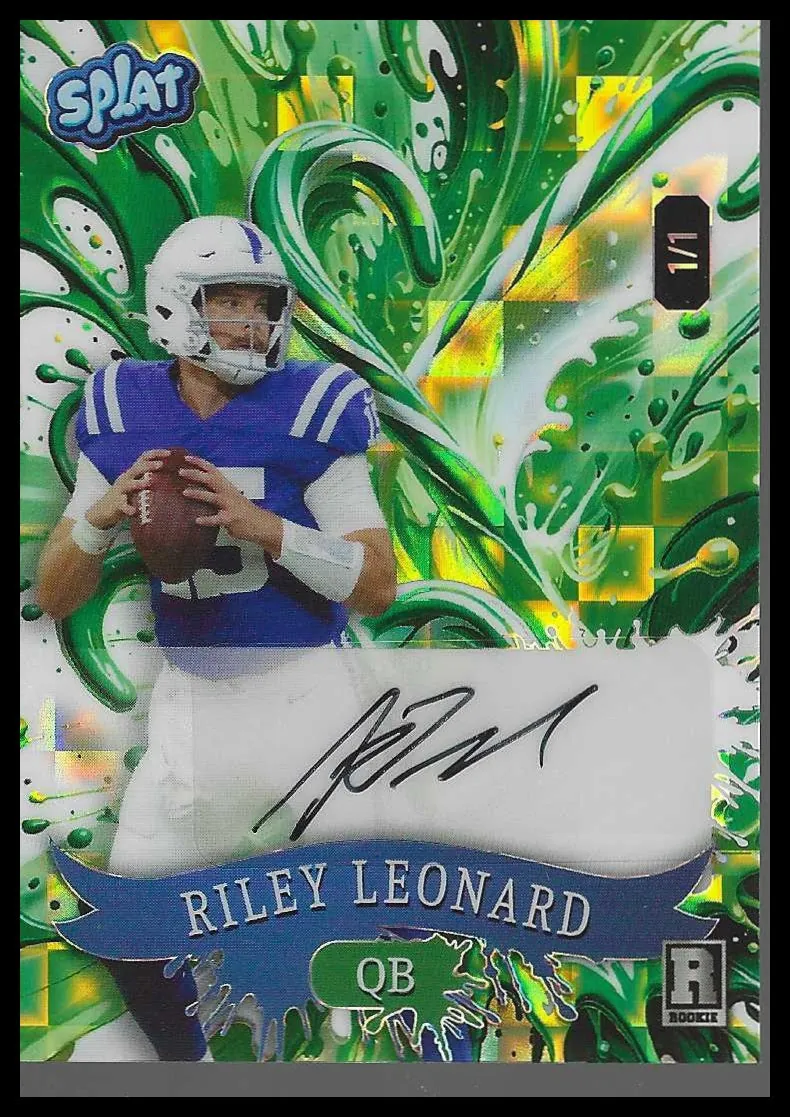
For Most Raw Cards, Start With a Clean Sleeve
A soft sleeve is the first layer between a card and the oils, dust, and rubbing that build up during normal handling. Insert the card gently, without forcing a corner or scraping the edge against the opening. If a sleeve looks cloudy, wrinkled, split, or dusty, replace it instead of treating it as permanent equipment.
For cards you want to preserve but still enjoy often, a sleeved card inside a correctly sized top loader is a practical standard. The soft sleeve helps reduce surface contact, while the rigid outer holder protects against bending and corner pressure. Cardboard Gold’s comparison of top loaders and Card Savers explains why the holder should fit the card’s thickness and intended use.
Do not cram a thick patch card, relic, booklet, or unusually shaped insert into a standard holder. Use a holder made for that card’s thickness and dimensions. Pressure from the wrong holder can create a problem that did not exist when you pulled the card from the pack.
Know When a Top Loader, Card Saver, Binder, or Slab Makes Sense
Top loaders are a strong choice for raw cards you want to protect individually and revisit often. They work well for rookies, numbered cards, vintage cards with fragile corners, and cards headed to a show or trade night. Keep the opening clean and store the holder where it will not slide around or collect dust.
Semi-rigid Card Savers have a different job. PSA’s shipping guide instructs submitters to place sleeved cards in semi-rigid holders and specifically says not to use top loaders for that submission process. If you are preparing cards for grading, follow the grader’s current instructions rather than assuming the holder you use at home is also right for shipping.
Binders are best for collections you want to page through: team sets, player runs, insert sets, lower-value parallels, and cards you enjoy sharing with friends. Use pages that fit the cards without forcing them, and avoid overfilling a binder until pages bow or cards press against each other. Binders are about access and organization, not the top protection choice for every valuable card.
For already graded cards, keep the slab in a storage case, box, or display that prevents it from leaning, rubbing, or falling. A graded holder protects the card, but the holder itself can still scratch or crack when it moves loose in a drawer. The store’s graded-card guide explains why the exact card, label, and holder remain important when you are buying a slab.
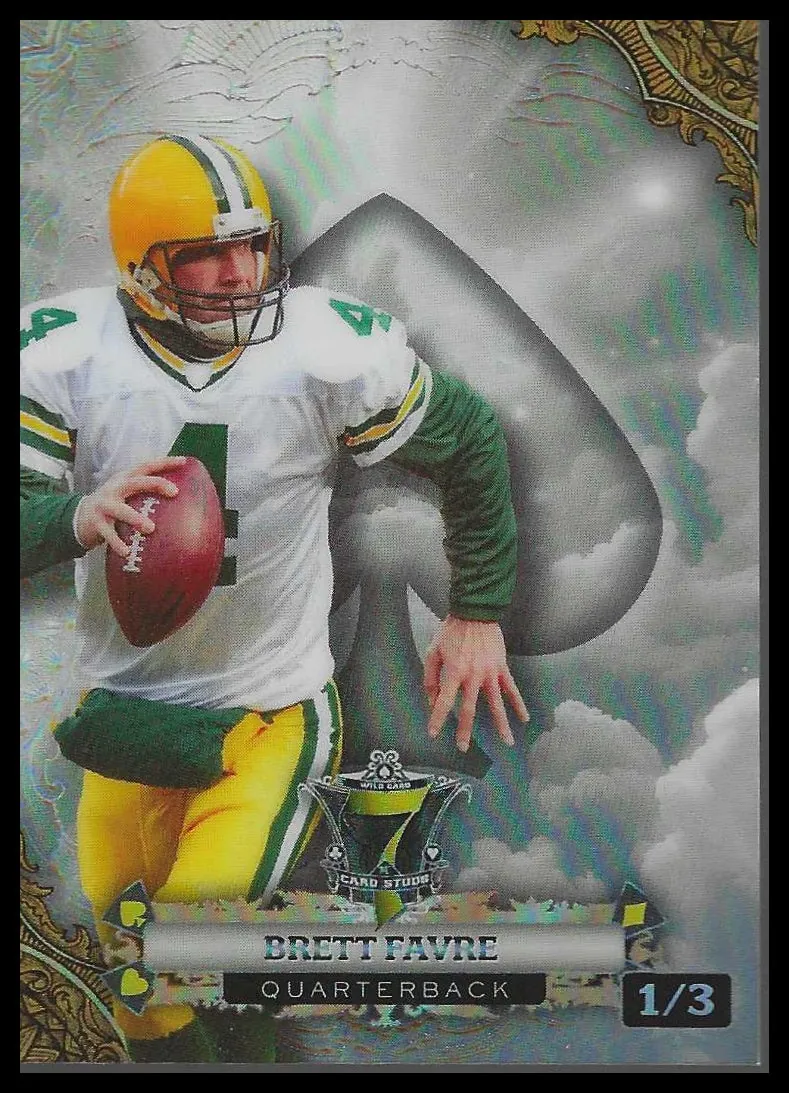
Choose Storage Boxes That Fit the Holders You Actually Use
A storage box should support cards upright without squeezing them or leaving so much open space that they tip and slide. Measure the type of card holder you use before ordering boxes. BCW notes that boxes differ by row width and height, and that top loaders, magnetic holders, and graded slabs do not all fit the same box. Its collector storage information is a useful reminder that the box is part of the protection system, not an afterthought.
Use dividers to keep rows from becoming a single unsearchable stack. A simple label can save a lot of handling: sport, year, brand, player, team, set, or “to review for grading” are all more useful than a vague “good cards” box. Keep high-value cards in a separate, clearly marked location so you do not rifle through them every time you want a base card.
Do not stack loose top loaders flat in a tall pile where the weight rests on the card below. Do not leave raw cards in a car, garage, shed, or damp basement because the box is convenient. A storage solution is only as good as the environment around it.
Keep Cards Away From Heat, Humidity, and Direct Light
Sports cards are printed collectibles, so the same environmental habits that protect paper collectibles apply here. The Library of Congress recommends a cool, relatively dry, clean, and stable environment for works on paper, away from attics, basements, leaks, radiators, vents, and intense light. Its care and storage guidance is useful for any collector deciding where a long-term collection should live.
For a home collection, choose an interior closet, cabinet, or room with a stable temperature. Avoid a sunny shelf, a window ledge, a garage that swings between hot and cold, and a basement with an active moisture issue. Light exposure can fade colors over time, and the Library of Congress notes that this kind of damage is permanent. The goal is not museum-level equipment. It is avoiding the obvious sources of heat, dampness, dust, and direct sun.
For valuable cards, add a second layer of security: a lockable cabinet, a secure safe that is appropriate for collectibles, or a protected off-site option. Keep a basic inventory with photos, titles, purchase details, and certification numbers for slabs. The records help you organize now and are useful if you ever need to insure, sell, or replace part of the collection.

Handle Cards Like You Plan to Keep Them
Clean, dry hands are usually the best starting point. Hold raw cards by the edges and avoid touching the printed surface. Put the card down on a clean, clear area before opening a sleeve or holder. Trying to sleeve a card while balancing it over a cluttered desk is how corners catch, surfaces rub, and a careful setup turns into a preventable mistake.
When you inspect a card, use bright indirect light rather than setting it under a harsh lamp for long periods. Look for the details you need, then return it to its holder. Avoid wiping a card with household cleaners, tape, adhesive, or anything abrasive. If a card has a stain, residue, or a surface concern, preserve it as it is until you have reliable advice for that exact situation. Improvised fixes can change the surface and make a card harder to grade or sell accurately.
Set Up a Simple System You Will Actually Maintain
The best storage system is the one you can keep using after a new release, card show, trade, or mail day. Start with one shelf or cabinet and three clearly labeled areas: incoming cards, collection cards, and cards to sell or trade. As you sort, move cards to a sleeve and holder only when they have earned that level of protection.
Quick collection reset
- Pull out cards that are loose, dusty, bent, or in damaged sleeves.
- Separate cards by value and purpose before choosing a holder.
- Label every box or binder so you can find cards without repeated handling.
- Move the collection to a clean, stable indoor location away from sunlight and moisture.
- Photograph your most valuable raw cards and slabs, then update the list after major additions.
Do a small reset after a large mail day or before you add a new box. Ten minutes now is easier than sorting a thousand mixed cards later. It also makes you more likely to notice the card that deserves a closer look, a better holder, or a possible grading submission.
Protect What Matters, Then Keep Collecting
Good storage does not mean hiding your collection away forever. It means knowing which cards can live in a well-labeled box, which belong in a binder, which need a sleeve and rigid holder, and which deserve a more secure home. When the basics are handled, you can spend less time worrying about damage and more time enjoying the cards.
For cards already protected in a slab, browse the store’s current graded sports cards or the broader sports card inventory. If you are sorting a collection and decide it is time to move some cards along, Veteran Sports Cards FL can review individual cards and larger groups through the sell-your-cards page. The earlier guide on what sports cards are worth grading can help you decide which raw cards deserve a submission before they go back into storage.
Frequently Asked Questions
Should every sports card go in a top loader?
No. Top loaders are useful for raw cards that need individual rigid protection, but they are not necessary for every common or set-building card. Use clean sleeves and a well-fitted storage box for lower-value cards, then reserve rigid holders for cards where the added protection is worthwhile.
What is the best place to store sports cards at home?
An interior closet, cabinet, or room with a stable temperature is usually better than a garage, attic, shed, or damp basement. Keep cards away from direct sunlight, vents, radiators, water risk, and big swings in heat or humidity.
Can sports cards be stored in binders?
Yes. Binders work well for cards you want to browse, such as team sets, player collections, and lower-value inserts. Use pages that fit the cards, do not overfill the binder, and keep high-value raw cards in individual protective holders instead.
How should I store cards I may send for grading?
Keep them in clean sleeves and protect them from bending or surface contact. When it is time to submit, follow the grading company’s current packing instructions. PSA, for example, asks submitters to use semi-rigid holders rather than top loaders for its shipping process.
Related Posts
Card Grading
What Sports Cards Are Worth Grading?
Use a practical value, condition, and demand check before sending a sports card in for grading.
Read guide
Card Grading
What Is a Slab Card? A Collector’s Guide
Learn what a slab card is, what the label tells you, and how to buy graded cards with more confidence.
Read guide