
Card Grading
What Sports Cards Are Worth Grading?
Use a practical value, condition, and demand check before sending a sports card in for grading.
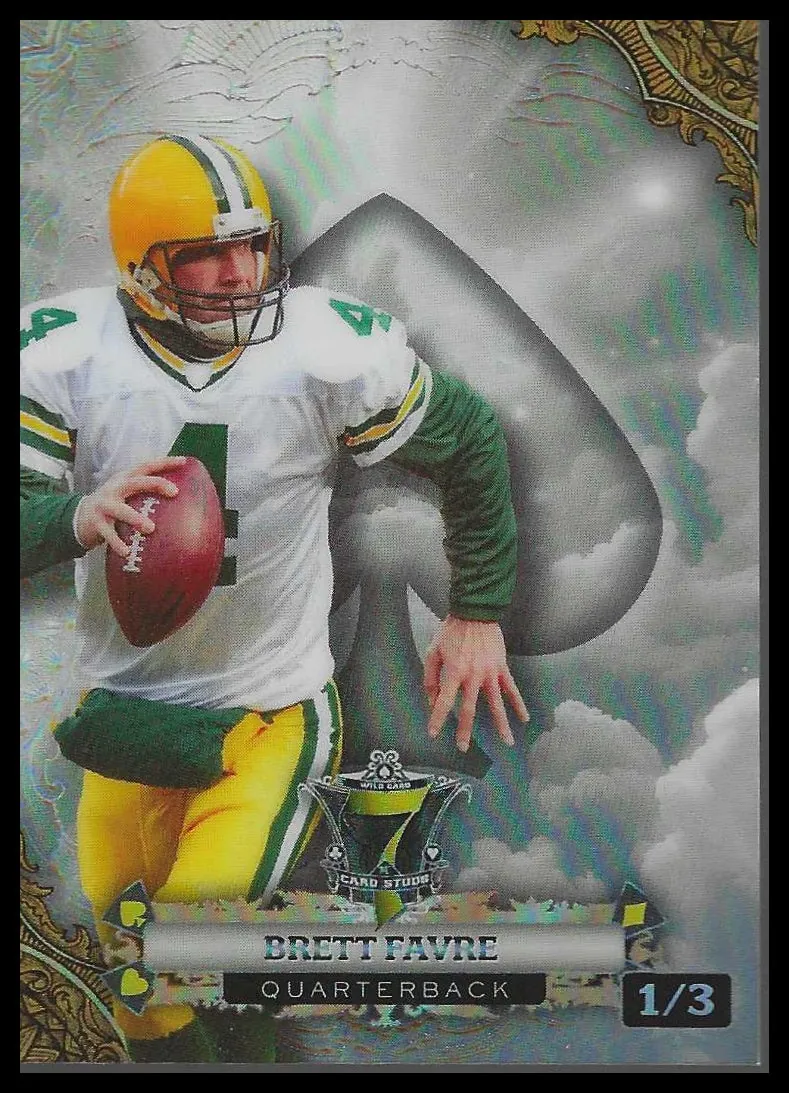
The best cards to grade are not simply the oldest, flashiest, or most expensive-looking cards in a box. They are the cards where authentication, protection, and a realistic grade can make the card easier to trust, easier to sell, or more satisfying to keep. That takes a quick decision process, not a guess.
Before paying a grading fee, work through three questions: Is there real demand for this exact card? Does its condition support the grade you need? Will the likely graded value leave enough room after grading, shipping, insurance, and selling costs? A card can be important to you and still be a poor grading candidate. That is not a knock on the card, it is just a better reason to preserve it well and enjoy it raw.
Start With the Exact Card, Not the Player Name
A famous player does not automatically make every card worth grading. A common base card, a low-demand issue, and a scarce rookie parallel can all show the same player, but they can behave very differently in the market. Identify the card as precisely as possible: year, brand, set, card number, player, rookie designation, parallel, serial number, autograph, and any variation. The more exact the match, the more useful your price check will be.
Then compare sold prices, not asking prices. PSA’s getting-started guidance recommends reviewing sales from the prior three to six months in the grade you expect. That is sound collector logic even if you choose a different grader. A listing with a hopeful price tag is not proof of demand. Completed sales show what buyers actually paid.

Use the same comparison standard for raw and graded copies. A raw card may sell for a modest amount while a PSA 10 sells for a meaningful premium, but a PSA 8 or 9 may not create enough separation to cover the cost and risk of submission. The goal is not to chase a 10 on every card. The goal is to make a decision that still makes sense at a realistic grade.
Cards That Usually Deserve a Closer Look
These card types are often worth putting under a bright light and checking against recent sales:
- True rookie cards and key early issues of players with sustained collector demand.
- Scarce parallels, refractors, and serial-numbered cards where condition separates copies meaningfully.
- Vintage stars and Hall of Famers where authentication and preservation may matter as much as a high numeric grade.
- On-card autographs, patches, and premium inserts when the card is authentic, visually strong, and actively collected.
- High-end modern cards that look unusually clean, especially when the expected grade has a clear sales premium.
Those are starting points, not automatic submissions. A serial number can create scarcity without creating enough buyer interest. A rookie card can be important but too worn to justify grading. A vintage card with honest wear may still be a great candidate when authentication, protection, or resale confidence matters. Decide from the card’s exact market, not a blanket rule about its age or player.
Condition Is the Gatekeeper
Condition is where most grading decisions are won or lost. Professional graders look at centering, corners, edges, surface, and overall eye appeal. PSA’s published grading standards describe a Gem Mint 10 as virtually perfect, including sharp corners, clean gloss, and tight centering tolerances. That is a very high bar, and a card can look excellent at arm’s length while showing a flaw under direct light.
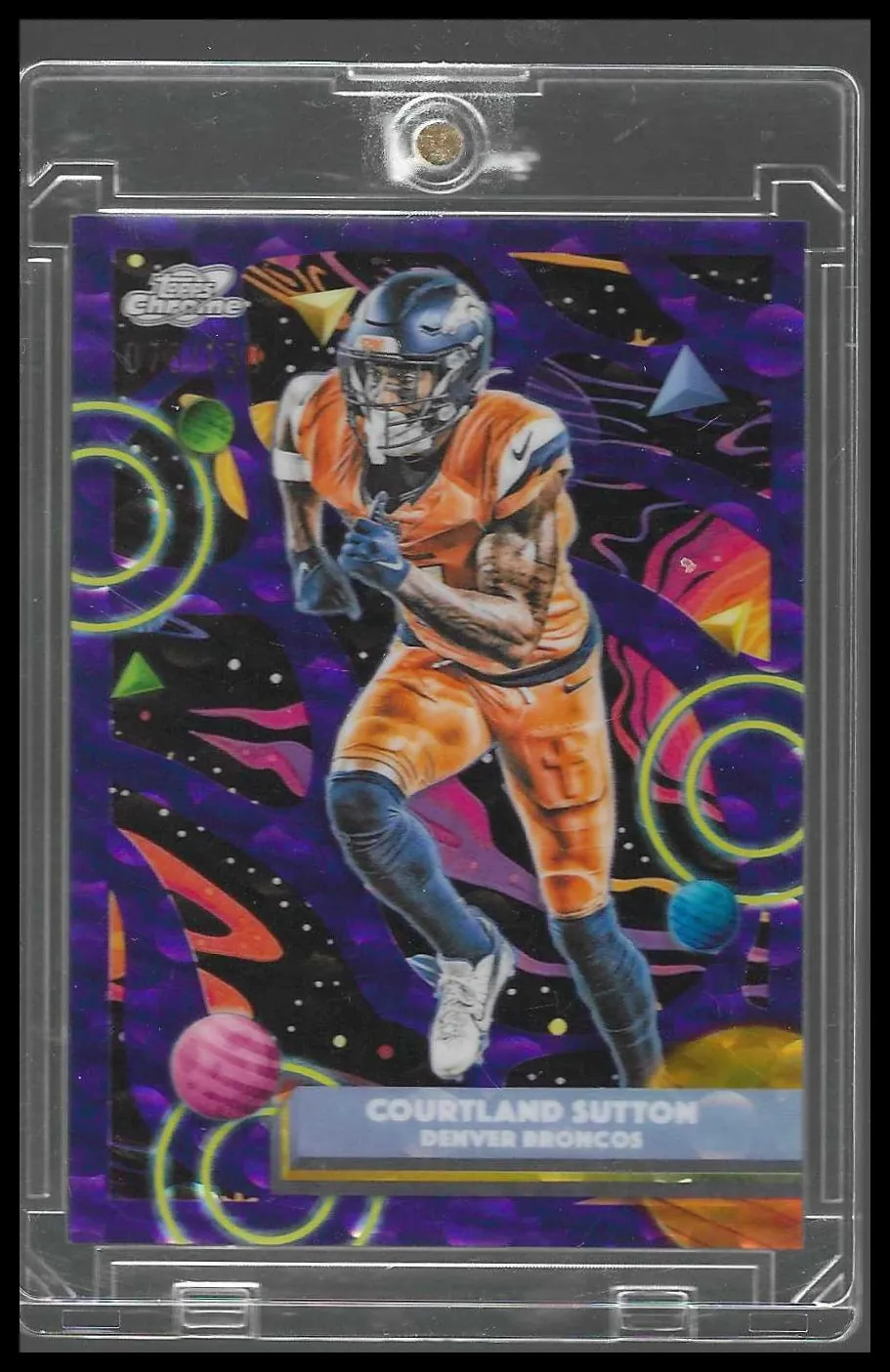
Inspect both sides in good light. Tilt the card slowly and look for scratches, print lines, dimples, stains, surface dents, and indentations. Check every corner for whitening, softening, or a bend. Look along the edges for chipping and compare the borders or design elements to judge centering. For cards with dark borders, foil, or chromium surfaces, surface flaws can be especially easy to miss until the card is already submitted.
Be conservative with your estimate. PSA explains that its graders examine centering, corners, edges, surface, and eye appeal, and its grader notes categorize many defects under those same areas. A single major flaw can limit the final result even when the rest of the card looks strong. If you need a 10 for the numbers to work, treat the card as a risky submission unless it genuinely looks like a 10 candidate.
Do the Simple Grading Math
Use a small worksheet before you submit. It keeps emotion out of the decision and makes it easier to compare several cards from the same collection.
Quick grading check
- Find recent sold prices for the same card raw and at two realistic grades.
- Estimate your likely grade, then use the lower of your two reasonable outcomes.
- Add the grading fee, shipping both ways, insurance, supplies, and any selling fees.
- Compare the likely net result with the card’s raw value and your reason for grading.
For example, do not compare a $40 raw card only with a $400 PSA 10 sale. Also check the price of the same card in PSA 8 and PSA 9. If the card has a realistic chance of landing in that range, those are the numbers that matter. If an 8 or 9 barely beats the raw value after costs, a clean one-touch, sleeve, and top loader may be the smarter choice.
Fees and service levels change. The current PSA submission center lists service pricing, estimated turnaround ranges, and maximum insured values by service level. Check the current details directly before sending anything, then build your math around the service you can actually use. Do not base a submission on an old forum post or a price chart that does not include shipping and insurance.

When Grading Is Worth It Even Without a Big Profit
Not every good submission needs to be a resale play. Grading can make sense when you want third-party authentication for a vintage card, long-term protection for a personal favorite, a cleaner presentation for a display piece, or more confidence when buying and selling a higher-value card. In those cases, the value is partly financial and partly practical.
This is especially true for older cards, signed cards, and cards you plan to keep. A modest grade on a vintage piece can still give the next owner a clearer condition reference. A sealed holder can also reduce handling risk. Just be honest about the goal. If the goal is preservation, you do not need the same financial margin that you would need for a quick resale.
When You Should Keep It Raw
Keep a card raw when the graded sales do not create enough upside, when the condition has obvious issues, when you cannot confidently identify the exact version, or when the card is inexpensive and common. That is not wasted potential. Raw cards are part of the hobby, and many collectors prefer them for set building, binder collecting, trading, or simply enjoying the design without adding grading costs.
A card with a crease, a major corner bend, a rough surface, or heavy off-centering may still be collectible. It may just be better sold or stored as an accurately described raw copy. Never try to clean, trim, recolor, or alter a card to improve its grade. Leave the card as-is and protect it properly. Alteration risk is far more expensive than accepting an honest condition issue.
Choose the Right Reason Before You Choose a Grader
Different collectors value different things. Some want the broad resale recognition of a familiar holder. Others prefer a particular company’s label, subgrades, turnaround, or fit for vintage. Start with your objective: resale, authentication, preservation, display, or a personal collection. Then compare the grading company and service level that fits that objective.
For resale, study sold prices for the same card in the same holder whenever possible. For preservation, focus on authenticity, holder quality, and your budget. For a personal card, the best choice may be the one that gives you confidence and keeps the card protected, even if it is not the most aggressive return-on-investment play.
A Five-Minute Pre-Submission Routine
Before you fill out a submission form, put the card through one last routine. First, verify the card against a trusted checklist or database so the year, number, variation, and autograph status are correct. Second, photograph the front and back in good light. Those photos help you document the condition before the card leaves your hands and make it easier to spot a flaw you missed the first time.
Third, place the card in a clean penny sleeve and the holder required by the grading company. Do not force a tight sleeve onto a card with delicate corners or a thick stock. Fourth, write down the conservative grade you expect and the lowest graded sale that would still make the submission worthwhile. Finally, insure and track the shipment at a level that matches the card’s realistic value, not an inflated dream grade.
This routine does not guarantee a result, but it keeps the decision disciplined. It also makes it easier to explain the card accurately if you choose to sell it raw instead. The best submissions are deliberate, well-documented, and based on the card in hand rather than the best possible outcome.
Buy or Sell With More Confidence
If you are shopping for cards that have already been graded, start with the store’s graded sports cards, then compare the label, card details, and photos before you buy. Collectors building around a sport can also browse the current football selection, baseball cards, or the wider shop-all inventory.
For a raw card that has real potential, slow down before submitting. A few minutes spent checking comps and condition can save a fee on a card that will not improve enough in a slab. If you are deciding what to move from a collection, Veteran Sports Cards FL also reviews cards and collections through the sell-your-cards page. For practical questions on shipping, raw-card condition, and how cards are packaged, the collector FAQ is a useful next stop.
Frequently Asked Questions
Are rookie cards always worth grading?
No. A rookie card should still have enough collector demand, a realistic grade, and a graded value that justifies the submission cost. Common rookies or cards with visible flaws often make more sense as well-protected raw cards.
What condition should a card be in before grading?
A strong grading candidate should be clean across centering, corners, edges, and surface. Small flaws matter, so inspect the card in bright, angled light and use a conservative estimate rather than assuming every clean-looking card can earn a top grade.
Should I grade a card that is not valuable?
Usually not for resale alone. It can still be worth grading for authentication, protection, or personal display, but the likely graded value should be compared with the full cost of the submission before you send it in.
Can I clean a card before submitting it?
Do not alter a card or use methods that could change its surface. If you are unsure how to handle a card safely, leave it as-is, place it in an appropriate sleeve and holder, and get advice before taking any action that could affect its condition.
Related Posts

Card Grading
How to Store Sports Cards: A Collector’s Guide
Protect raw cards, slabs, and collection favorites with the right holders, storage boxes, and home setup.
Read guideCard Grading
What Is a Slab Card? A Collector’s Guide
Learn what a slab card is, what the label tells you, and how to buy graded cards with more confidence.
Read guide